Skip to content
Riviera Perspectives

Editorial

Curated insights on Riviera living, investment, and design

Budget 2027: what could change for property owners on the French Riviera
Wealth & Investment

Budget 2027: what could change for property owners on the French Riviera

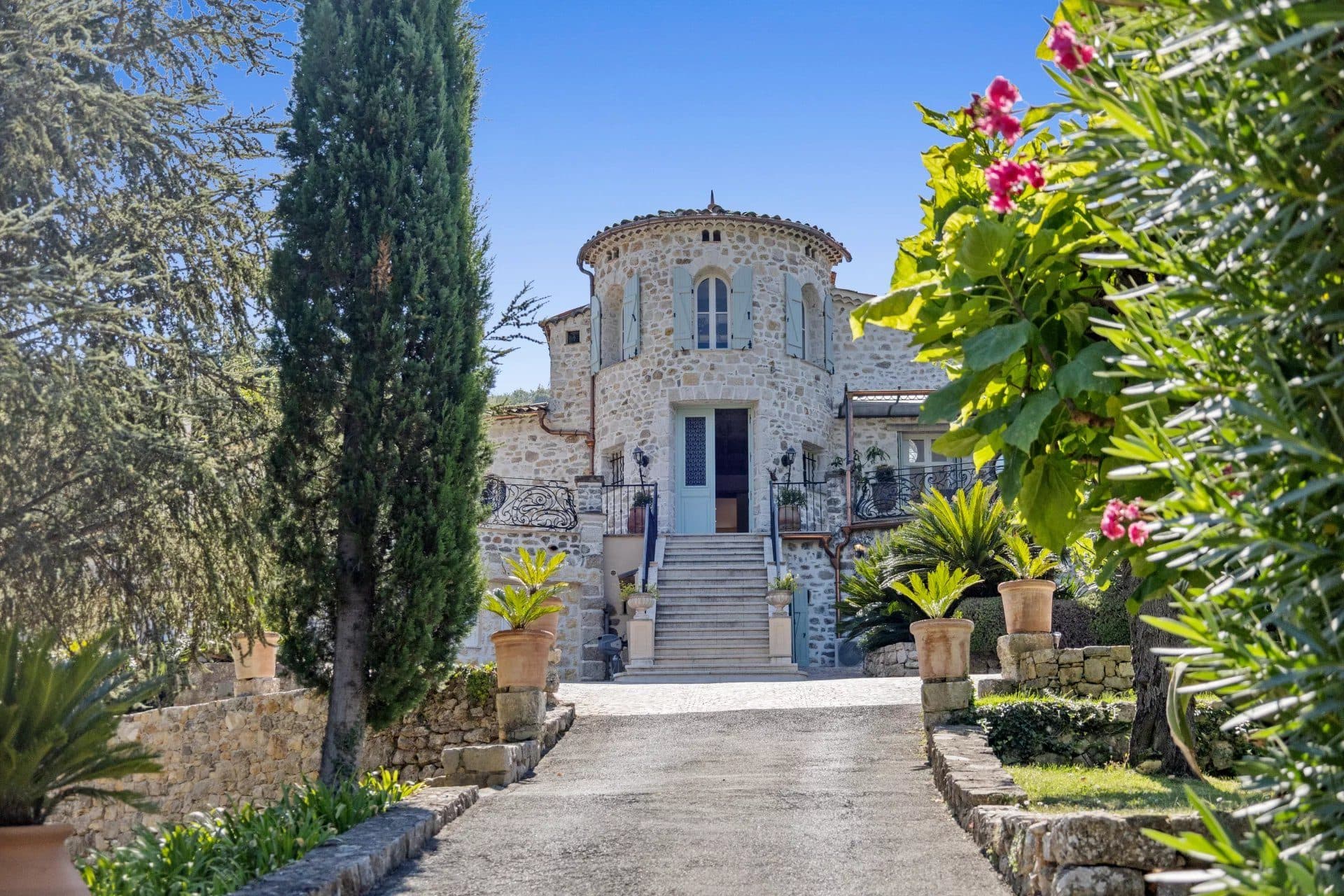
Selling a second home, letting a villa for a few weeks in summer, helping a child to buy… France's 2027 budget could change the tax treatment of each of these plans. As the Senate examines the bill, which rules apply today, and which changes are worth following?

Azure & StoneNovember 24, 20261 min→
British homeowners on the Riviera: the 90 day rule, and how to enjoy your villa for longer
Wealth & Investment

British homeowners on the Riviera: the 90 day rule, and how to enjoy your villa for longer

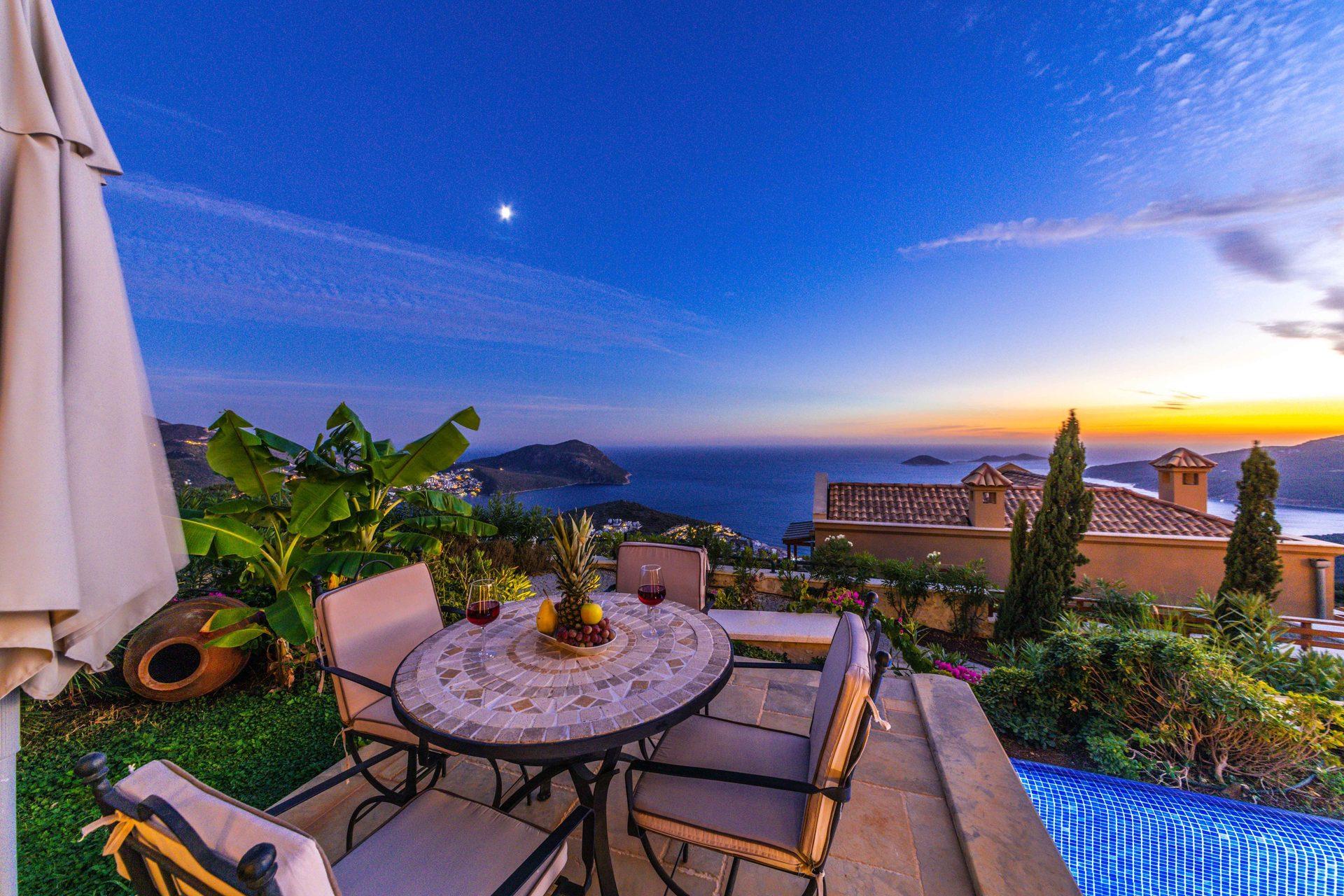
The 90 day rule in any 180 day period, the new EES border checks, ETIAS and the temporary visitor visa: how our British buyers plan their year to enjoy their Riviera villa for longer.

Azure & StoneNov 171 min→
Châteauneuf-Grasse, space on Valbonne's doorstep
Lifestyle

Châteauneuf-Grasse, space on Valbonne's doorstep

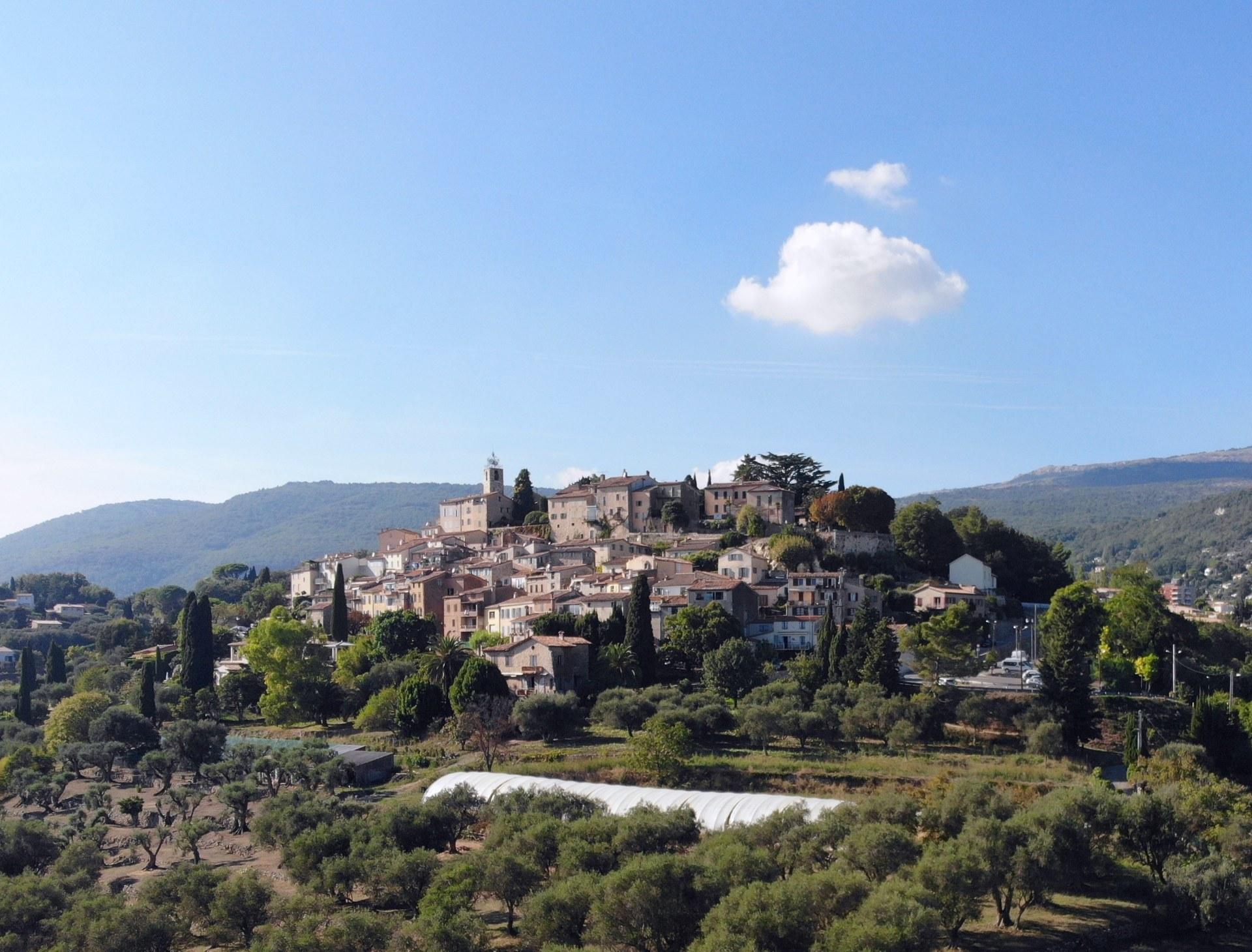
Between Valbonne and Grasse, Châteauneuf-Grasse appeals for its closeness to Sophia Antipolis, international schools a few minutes away, prices more accessible than in Valbonne or Mougins, and views depending on the neighbourhood.

Azure & StoneNov 161 min→
The 1970s villa: renovate with care, or sell its potential
Architecture & Design

The 1970s villa: renovate with care, or sell its potential

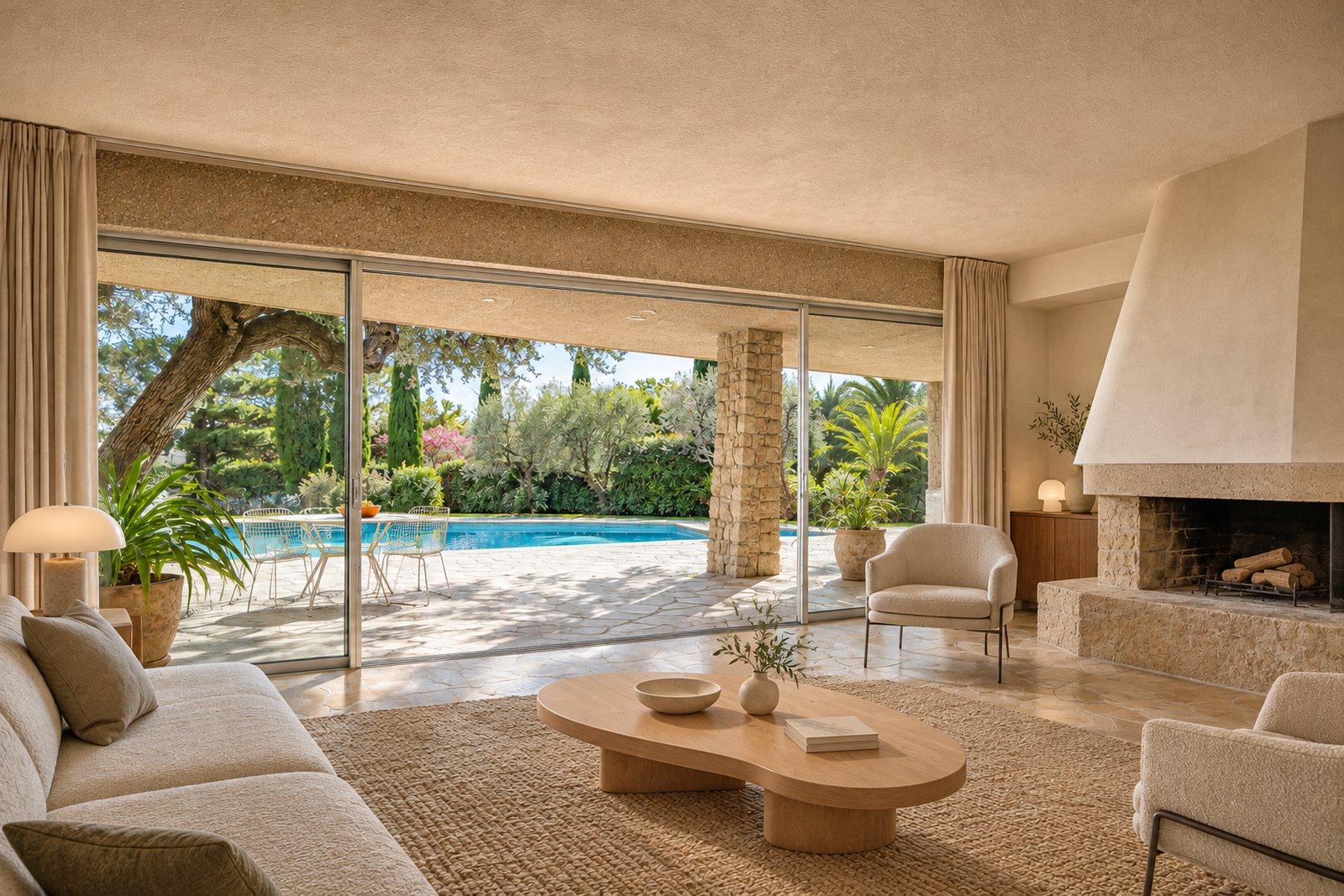
Large bay windows, single-storey living, generous grounds: the 1970s villa has much to offer, provided it is well presented. Should you renovate before selling, or let the buyer write the next chapter? Our pointers, without haste.

Azure & StoneNov 101 min→
A safe haven: why prime Côte d'Azur property holds its course
Wealth & Investment

A safe haven: why prime Côte d'Azur property holds its course

In uncertain times, Côte d'Azur property holds firm. What the figures from the French notaires, Nice airport and INSEE show, and what they mean for you.

Azure & StoneNov 31 min→
Mougins, the village where people stay
Lifestyle

Mougins, the village where people stay

Living in Mougins: a hilltop village of celebrated tables, a weekend market, two golf courses, the Valmasque forest and a British school close by. A portrait of a village where people come for a few days and end up staying.

Azure & StoneOct 291 min→
Small details, large negotiations: what sellers underestimate
Wealth & Investment

Small details, large negotiations: what sellers underestimate

Undeclared pool, septic tank, converted garage, neglected garden: what sellers underestimate, and what really weighs on negotiation day.

Azure & StoneOct 281 min→
Buying on the Côte d’Azur as an American: how to finance your project?
Wealth & Investment

Buying on the Côte d’Azur as an American: how to finance your project?

An American buyer can finance a villa on the Côte d’Azur, but the file is often more complex. FATCA is only one difficulty among others. Financing remains possible, provided you take the steps in the right order.

Azure & StoneOct 271 min→
Autumn on the Riviera, the secret season of villas
Lifestyle

Autumn on the Riviera, the secret season of villas

Mid-October on the French Riviera: the light softens, the sea still holds its warmth, the roads reclaim their quiet. Autumn is when the Coast truly reveals itself, to buyers who discover a villa lived in year-round, and to those who already call it home.

Azure & StoneOct 151 min→
Selling in spring: what to prepare this autumn on the Riviera
Wealth & Investment

Selling in spring: what to prepare this autumn on the Riviera

On the French Riviera, autumn is not a dead season: it is when a villa sale is quietly prepared. Valuation, paperwork and small works in autumn; photography, the final surveys and a well-timed energy certificate in January: the calendar to be ready when serious buyers return.

Azure & StoneOct 151 min→
DPE 2027: Electric heating and your energy label
Wealth & Investment

DPE 2027: Electric heating and your energy label

On 1 January 2027, a technical change to how the energy performance certificate (DPE) is calculated comes into force. It may improve the rating of many homes heated or cooled by electricity. For owners considering a sale, it is a point to factor calmly into their preparations.

Azure & StoneOct 151 min→
Roquefort-les-Pins, the pleasure of feeling at home
Lifestyle

Roquefort-les-Pins, the pleasure of feeling at home

Gardens made for gathering, familiar local shops, activities for children and the wider world within reach. In Roquefort-les-Pins, the appeal of a home extends well beyond its gates.

Azure & StoneOct 101 min→
Understanding the OLD: The Fifty-Metre Covenant
Wealth & Investment

Understanding the OLD: The Fifty-Metre Covenant

France's legal brush-clearing duty (OLD) shapes Riviera ownership. The 50-metre perimeter, neighbours, fines and insurance for buyers on the Côte d'Azur.

Azure & Stone EditorialAug 41 min→
Buying a Family Villa in Valbonne, Near Sophia Antipolis
Lifestyle

Buying a Family Villa in Valbonne, Near Sophia Antipolis

In short. Valbonne (06560) is one of the most sought-after villages in the hills behind Cannes for a family villa: minutes from the Sophia Antipolis tech park, served by well-regarded international schools, set in a calm, green Provençal landscape, and around 25 minutes from Nice International Airport. Budgets typically range from €1M to €3M for a villa with a pool.

Azure & Stone EditorialMay 301 min→
Azure & Stone Featured in Prestigious Propriétés Le Figaro Editorial
Luxury Housing

Azure & Stone Featured in Prestigious Propriétés Le Figaro Editorial

In a remarkable recognition of excellence, Azure & Stone's Roquefort-les-Pins villa graces the pages of Propriétés Le Figaro's 'Grand Paris du Prestige' edition. This exceptional property, set within 5,200 square meters of landscaped tranquility, exemplifies the suspended time philosophy that defines luxury living in the French Riviera's hinterland. The property's seamless blend of Provençal elegance and invisible technology offers authentic countryside refinement.

Propriétés Le FigaroMay 281 min→
The Croisette Effect: How Cannes Film Festival Transforms Riviera Property Values
Wealth & Investment

The Croisette Effect: How Cannes Film Festival Transforms Riviera Property Values

Each May, the Cannes Film Festival creates a seismic shift in French Riviera real estate dynamics that extends far beyond its twelve-day duration. Properties along the iconic Croisette command premium valuations year-round, with luxury apartments experiencing 15-20% value increases during festival periods. This cinematic magnetism has established Cannes as one of Europe's most resilient luxury property markets, where celebrity presence and global media attention translate directly into sustained capital appreciation for discerning investors.

WEALTH & INVESTMENTMar 291 min→
The Winter Table of Mougins: Inside the Private Kitchens of the Hinterland’s Gastronomic Elite
Lifestyle

The Winter Table of Mougins: Inside the Private Kitchens of the Hinterland’s Gastronomic Elite

As the summer crowds retreat, the true essence of the Côte d’Azur awakens within the honey-hued stone walls of Mougins and Valbonne. Here, the frantic energy of the coast is replaced by the art of 'slow-hosting,' where the black truffle reigns supreme and 17th-century mas become sanctuaries of intimate, high-end gastronomy. Behind cypress-lined driveways, the kitchen has evolved into a theatrical stage, where Michelin-trained chefs celebrate the visceral beauty of Provençal heritage through slow-braised delicacies and rare local harvests. This seasonal shift reflects a deeper evolution in luxury real estate, where the ultimate prestige is no longer found in the loudest venue, but in the most authentic and private one. In the stillness of the hinterland winter, the Riviera transcends its glamorous veneer to offer something far more profound: a sense of belonging.

Azure & Stone EditorialFeb 281 min→
The Silent Sentinels of Èze: Mastering the Vertical Geometry of the Moyenne Corniche
Architecture & Design

The Silent Sentinels of Èze: Mastering the Vertical Geometry of the Moyenne Corniche

To stand on the terrace of a villa perched above the Moyenne Corniche is to experience a vertigo of the sublime. Below, the Mediterranean stretches toward the horizon in a bruised silk blue; behind you, the limestone cliffs of Èze rise with a prehistoric indifference. But beneath the infinity pools and the travertine flooring lies a hidden, precarious architecture that is currently undergoing a quiet revolution. Here, the 'bâtisseurs en pierre sèche'—master stone-masons—are the unsung architects of the coast’s survival. They are the men who understand the language of the scree and the pressure of the mountain, tasked with ensuring that the gravity-defying estates of the Riviera remain tethered to their ancient foundations. The challenge is increasingly technical. As we approach 2026, new climate resilience regulations are tightening the requirements for structural integrity along the Côte d’Azur’s limestone spine. It is no longer enough for a retaining wall to look 'Provençal'; it must now function as a sophisticated drainage system and a structural anchor capable of withstanding the increasingly erratic 'épisodes méditerranéens'—those sudden, violent deluges that test the porous nature of the rock. The artisans of Èze are responding by blending 18th-century dry-stone techniques with carbon-fiber reinforcement and hydraulic sensors, creating a hybrid architecture that is as invisible as it is essential. Walking through a construction site near the Jardin Botanique, one observes a rhythmic, almost meditative process. Each block of local limestone is hand-chipped to fit its neighbor without a drop of mortar, allowing the earth to 'breathe' and water to pass through without building the hydrostatic pressure that causes modern concrete to crack. This is the irony of luxury real estate in 2024: the most advanced safeguard for a multi-million euro property is often a technique perfected by shepherds three hundred years ago. These walls are not merely boundaries; they are living membranes between the domestic and the wild. For the discerning collector of Riviera property, the investment has shifted. It is no longer just about the view or the interior finish by a Parisian firm; it is about the vertical integrity of the plot itself. As the climate shifts, the value of a villa will increasingly be measured by the strength of its roots. In the narrow, sun-drenched corridors of Èze, the masons are making sure those roots are set in stone, preserving a skyline that has defined the dream of the South for centuries.

Azure & Stone EditorialFeb 282 min→
The Alpine Pivot: Why Isola 2000 and Auron are the New Strategic Annexes for Cannes Property Owners
Wealth & Investment

The Alpine Pivot: Why Isola 2000 and Auron are the New Strategic Annexes for Cannes Property Owners

Picture the scene: a crisp February morning on the Boulevard de la Croisette. The Mediterranean is a sheet of glass, but the air carries a distinct, sharp chill. Within ninety minutes, you could be trading the salt spray for the powder snow of the Mercantour. This is the '90-minute commute,' a lifestyle pivot that has transformed from a weekend whim into a calculated real estate strategy for the French Riviera’s elite. As the 2026 winter season approaches, the smart money in Cannes and Cap d’Antibes is no longer just looking at the horizon—it is looking upward toward the peaks of Isola 2000 and Auron. Historically, the Riviera’s high-net-worth individuals (HNWIs) looked to Megève or Courchevel for their winter fix. However, the logistical friction of cross-country travel has birthed a new preference for 'Sea-to-Ski' liquidity. In Auron, the architecture is shifting from rustic Savoyard clones to sleek, glass-fronted chalets that mirror the aesthetic of a Saint-Jean-Cap-Ferrat villa. These properties serve as a strategic hedge; while the coastal rental market peaks in July, the Alpine annex provides a secondary yield window that is increasingly robust. The proximity to Nice Côte d’Azur Airport—Europe’s most efficient hub for private aviation—means an investor can land at noon and be in their ski boots by 2:00 PM, a feat impossible in the Swiss Alps. Investment data suggests that this dual-season portfolio is the most liquid asset class in Southern Europe right now. With Isola 2000 undergoing a significant infrastructure facelift ahead of the 2030 Winter Olympics bid, the capital appreciation potential is staggering. We are seeing a trend where owners utilize their Cannes penthouses for the Lions and the Film Festival, then retreat to the Mercantour to escape the mid-summer humidity or embrace the winter solitude. It is no longer about owning a second home; it is about owning a seamless ecosystem that spans from the turquoise of the Garoupe to the white peaks of Las Donnas. In the modern luxury market, the ultimate status symbol isn't just the villa—it is the proximity to the pivot.

Azure & Stone EditorialFeb 282 min→
The Monaco Club Effect: How Elite Yacht Memberships Are Reshaping French Riviera Real Estate
Wealth & Investment

The Monaco Club Effect: How Elite Yacht Memberships Are Reshaping French Riviera Real Estate

At sunset from the terrace of the Yacht Club de Monaco, the view sweeps across the harbor's forest of masts toward the medieval perch of Èze Village, its honey-colored stones catching the last light. This panorama has become more than picturesque—it's a property investment map. Club members are increasingly discovering that the most coveted addresses aren't necessarily within the Principality's borders, but rather perched on the dramatic coastline just beyond. The phenomenon is quietly reshaping luxury real estate dynamics along this stretch of the Côte d'Azur. Members of Monaco's most exclusive nautical institutions—the Yacht Club de Monaco and Club Nautique de Beaulieu—are driving unprecedented demand in Èze Village and Beaulieu-sur-Mer's waterfront districts. These international buyers, predominantly from Switzerland, the UK, and North America, are choosing French residences while maintaining Monaco business addresses, creating what local agents term 'the club premium'—a 15% price elevation in select neighborhoods. The strategy is sophisticated: live in France's breathtaking landscapes while conducting business in Monaco's favorable tax environment. Èze Village, with its cobblestone lanes and panoramic villas, offers the romance these buyers seek, while Beaulieu's Belle Époque waterfront properties provide direct marina access. The Club Nautique de Beaulieu, founded in 1888, has become an unexpected kingmaker in this trend, with membership often preceding property acquisition by mere months. Real estate advisors note the pattern extends beyond mere convenience. These buyers understand that yacht club membership in Monaco isn't just about mooring rights—it's social currency that appreciates alongside their property investments. The clubs serve as informal deal-making venues where business relationships flourish over aperitifs, while the French residences provide the lifestyle authenticity that Monaco's urban density cannot match. This trend signals a maturing of Riviera luxury markets, where savvy investors are unbundling location from lifestyle, creating new value equations that transcend traditional borders. As one Èze Village estate agent observed, 'They're not buying French property—they're buying the French dream, with Monaco efficiency.'

Azure & Stone EditorialFeb 282 min→
Saint-Paul-de-Vence's Shadow Market: Inside the Village's Invisible Property Empire
Luxury Housing

Saint-Paul-de-Vence's Shadow Market: Inside the Village's Invisible Property Empire

The morning mist still clings to the ramparts of Saint-Paul-de-Vence when Marguerite Colombe unlocks the heavy wooden door of Galerie Colombe, her family's art space tucked behind the Café de la Place. What visitors don't realize as they browse her carefully curated collection is that Marguerite serves as an unofficial gatekeeper to one of the Riviera's most exclusive property networks—a shadow market where seventy percent of the village's premium real estate never sees a public listing. This medieval hilltop commune, where Chagall once painted and where the Fondation Maeght draws international collectors, operates on an economy of whispered recommendations and generational trust. The Magh family, whose art foundation has anchored the village's cultural prestige since 1964, exemplifies this closed ecosystem. Their circle—encompassing gallery owners, established collectors, and longtime residents—controls access to properties that range from restored mas provençaux behind ancient stone walls to contemporary villas with infinity pools overlooking the Baie des Anges. Consider the recent private sale of Villa Lumière, a 1920s property once owned by a prominent French industrialist. The stone bastide, complete with original Biot ceramics and terraced gardens designed by landscape architect Jean Mus, changed hands for €4.2 million without ever appearing on traditional platforms. The transaction occurred entirely through introductions facilitated by the village's cultural network—the seller, a longtime patron of local artists, connected with the buyer, a Swiss collector, through mutual acquaintances at a Fondation Maeght vernissage. Accessing this invisible inventory requires more than financial capability; it demands cultural integration. Successful buyers often begin by supporting local galleries, attending foundation events, and building relationships with village institutions like the century-old Auberge de la Colombe d'Or, where proprietor François Roux maintains connections spanning decades of artistic patronage. The most coveted properties—those medieval houses with private courtyards and panoramic views toward Antibes—circulate within networks built on shared appreciation for the village's artistic legacy. As Saint-Paul-de-Vence faces increasing pressure from international buyers seeking trophy properties, this shadow market serves as both preservation mechanism and exclusivity filter. For discerning collectors willing to invest time in authentic cultural engagement, it offers access to properties that embody the village's rare combination of historical gravitas and contemporary sophistication—homes that exist not just as real estate, but as custodianship of a living artistic heritage.

Azure & Stone EditorialFeb 282 min→
The Glass Whisperer: Marie Delacroix's Invisible Architecture Transforms Cap d'Antibes
Architecture & Design

The Glass Whisperer: Marie Delacroix's Invisible Architecture Transforms Cap d'Antibes

The morning mist still clings to the umbrella pines when Marie Delacroix leads me through what appears to be empty forest on the Cap d'Antibes. Then she stops, gestures toward a grove of ancient trees, and suddenly I see it—or rather, don't see it. Her latest creation, a twelve-million-euro residence, seems to materialize from the landscape itself, its glass walls reflecting pine needles and Mediterranean light so perfectly that the villa becomes a mirage. "Jean taught me that architecture should never shout," Delacroix explains, referencing her mentor Jean Nouvel, as we approach the invisible entrance carved into local Estérel stone. "But here on the Riviera, I've learned it shouldn't even whisper—it should breathe with the land." This philosophy has made the 42-year-old architect the most sought-after name among discerning buyers seeking alternatives to the region's ubiquitous neo-Provençal pastiche. Her radical minimalism—floor-to-ceiling glass panels that slide into stone walls at the touch of a button, infinity pools that merge seamlessly with the Mediterranean horizon—represents a quiet revolution in Riviera luxury. Inside, the residence unfolds like a series of transparent pavilions connected by corridors of Carrara marble and local pierre de Cassis. Every room frames a different vista: the Îles de Lérins from the master suite, the old town of Antibes from the library, the Alps from the wine cellar carved directly into bedrock. "My clients don't want to dominate the landscape anymore," she notes, as automated blinds adjust to the changing light. "They want to disappear into it while living in absolute luxury." Delacroix's sustainable innovations extend beyond aesthetics. Geothermal systems hidden beneath the property's olive groves provide climate control, while rainwater collection feeds the infinity pool and irrigates the restored garrigue gardens. Solar panels, invisible from ground level, power the home's smart systems. The result challenges every assumption about Riviera architecture—that luxury requires ostentation, that tradition demands replication, that sustainability compromises comfort. As the afternoon light transforms her glass walls into golden mirrors, Delacroix's vision becomes clear: the future of Riviera living isn't about what you build, but what you choose not to build at all.

Azure & Stone EditorialFeb 282 min→
The Perfumed Palaces: How Grasse's Master Noses Are Reimagining 18th-Century Bastides
Lifestyle

The Perfumed Palaces: How Grasse's Master Noses Are Reimagining 18th-Century Bastides

The morning light filters through the restored shutters of Bastide des Jasmins, casting geometric shadows across limestone floors that have witnessed three centuries of Provençal history. In the vaulted atelier below, master perfumer Céleste Moreau adjusts her organ—not the musical kind, but the tiered semicircle of crystal bottles containing essences that will become her next olfactory masterpiece. The scent of jasmine grandiflorum drifts from the terraced gardens where her great-grandfather once cultivated flowers for the legendary houses of Chanel and Dior. Grasse's UNESCO World Heritage designation in 2018 has sparked an unexpected renaissance. While tourists flock to the industrial parfumeries along the Route Napoléon, a quieter revolution unfolds in the ville haute's narrow cobblestone streets. Here, three master perfumers—Moreau, along with Swiss-born Antoine Kessler and former Hermès nose Patricia Blanc—have transformed crumbling bastides into sophisticated sanctuaries that blur the lines between laboratory, residence, and art gallery. Kessler's Bastide du Centifolia, a ten-minute walk from Jacques Chibois's legendary restaurant, exemplifies this new aesthetic. The 1760s structure's original bergerie now houses temperature-controlled essence libraries, while contemporary sculptures by Nice-based artist Ben Vautier punctuate rooms where 18th-century boiseries frame modern extraction equipment. "We're not preserving the past," Kessler explains, adjusting a copper alembic that neighbors a Baccarat crystal installation. "We're allowing it to breathe with contemporary purpose." This movement extends beyond mere renovation. Blanc's Atelier des Sens, nestled behind the Cathédrale Notre-Dame-du-Puy, hosts monthly soirées where Cannes Film Festival regulars and Monaco's cultural elite gather to experience bespoke fragrances paired with wines from nearby Bellet vineyards. Her signature scent, "Mémoire de Pierre," captures the mineral essence of Grasse's ancient walls mixed with wild thyme from the Préalpes. As property values in Grasse's historic quarter climb—bastides now command €8,000 per square meter, rivaling Nice's Cimiez district—these artisan perfumers represent more than gentrification. They embody a sophisticated understanding of place, where centuries of olfactory heritage meets contemporary luxury living. In their hands, these weathered stones don't just shelter; they inspire, creating fragrances that will outlast the buildings themselves.

Azure & Stone EditorialFeb 282 min→
Menton's Belle Époque Revival: Why Italian Border Properties Are Outpacing Monaco
Wealth & Investment

Menton's Belle Époque Revival: Why Italian Border Properties Are Outpacing Monaco

The morning sun catches the pastel facades along Rue de la République, casting honeyed shadows across wrought-iron balconies where bougainvillea spills like watercolor onto the cobblestones below. Here in Menton, just eight kilometers from Monaco's glittering towers, a quiet revolution is unfolding in the property market—one that has caught even seasoned Riviera investors off guard. The numbers tell a compelling story: heritage properties in Menton's Belle Époque quarter have surged 18% in the past year, outpacing both Nice and Cannes in appreciation. The catalyst? A perfect storm of Monaco's increasingly stratospheric prices, new TER rail connections slashing journey times to Nice to just 35 minutes, and a sophisticated cohort of Italian and Swiss buyers discovering French tax advantages just across the border. "We're seeing Milanese families pay €8,000 per square meter for period apartments on Avenue de la Madone that would cost triple in Monaco," notes Sylvie Marchand of Côte d'Azur Patrimoine. The transformation is most visible along the tree-lined Avenue de la Madone, where Belle Époque mansions converted into luxury apartments are commanding unprecedented premiums. A three-bedroom with original moldings and sea glimpses recently sold for €1.2 million—unthinkable just two years ago. Swiss buyers, in particular, are drawn to properties within the Jardin Biovès catchment, where children can attend the bilingual international section while parents enjoy a 45-minute commute to Monaco's financial district. Yet Menton's appeal transcends mere arbitrage. The town's microclimate—protected by surrounding hills and blessed with 316 days of sunshine annually—has created a unique ecosystem where lemon trees flourish year-round and heating bills remain negligible. The recent renovation of the Jean Cocteau Museum and the expansion of the Palais de l'Europe conference center signal municipal ambitions that extend far beyond its traditional role as Monaco's quieter cousin. As 2026 approaches, with the completion of the new coastal tramway linking Menton to Nice Airport, this Belle Époque quarter stands poised to shed its sleepy reputation entirely. For investors seeking the Riviera's next chapter, the answer may lie not in Monaco's vertical expansion, but in Menton's horizontal renaissance—where Italian elegance meets French savoir-vivre, and where the future is being written in the language of the past.

Azure & Stone EditorialFeb 282 min→
The Glass and Granite Equilibrium: Orchestrating Modernist Extensions within Cap-Ferrat’s Belle Époque Heritage
Architecture & Design

The Glass and Granite Equilibrium: Orchestrating Modernist Extensions within Cap-Ferrat’s Belle Époque Heritage

Dawn over the Grand Hôtel du Cap-Ferrat brings a specific, pearlescent light that catches the limestone balustrades of the peninsula’s most storied estates. Here, in the rarified air of Saint-Jean, the architectural challenge of the decade is no longer about building anew, but about the 'invisible expansion.' For the owners of 19th-century maritime villas, the desire for sprawling subterranean wellness suites and light-flooded fitness pavilions often clashes with the strict protections of the Bâtiments de France. The solution is found in a delicate, high-tech dialogue between the heavy masonry of the past and the ethereal, ultra-slim glazing of the present. Walking through a recently completed estate near the Phare du Cap, one witnesses this equilibrium firsthand. The original villa, a symphony of stucco and Corinthian columns, remains the undisputed protagonist. However, carved into the sloping restanques—the traditional stone-walled terraces—is a new floor dedicated to a 20-meter indoor pool and hammam. To achieve this without altering the villa’s protected silhouette, architects are increasingly turning to Swiss-engineered minimal frames. These structural glass systems, with profiles as narrow as 18mm, allow the Mediterranean landscape to flow into the living space, effectively turning the garden into a living mural while the weight of the historical structure appears to float above it. Technically, these extensions require a surgical approach. Excavating the hard granite and limestone of the Cap requires vibration-monitored precision to protect century-old foundations. The integration of ‘crawling’ glass roofs and recessed tracks allows for entire facades to vanish at the touch of a button, merging the cool, climate-controlled interior with the scent of Aleppo pines and sea salt. It is a masterclass in transparency; the glass acts not as a barrier, but as a lens through which the heritage architecture is reframed and celebrated. Ultimately, the success of these modernist interventions lies in their humility. By utilizing non-reflective coatings and bronze-anodized finishes that mimic the bark of the surrounding maritime pines, these contemporary additions disappear into the shadows of the garden. They prove that to modernize a Belle Époque icon, one must not compete with its grandeur, but rather provide a silent, luminous stage upon which the heritage can continue to perform for another century.

Azure & Stone EditorialFeb 272 min→
The Heritage Hedge: Navigating New Wealth Tax Exemptions in Villefranche-sur-Mer for 2026
Wealth & Investment

The Heritage Hedge: Navigating New Wealth Tax Exemptions in Villefranche-sur-Mer for 2026

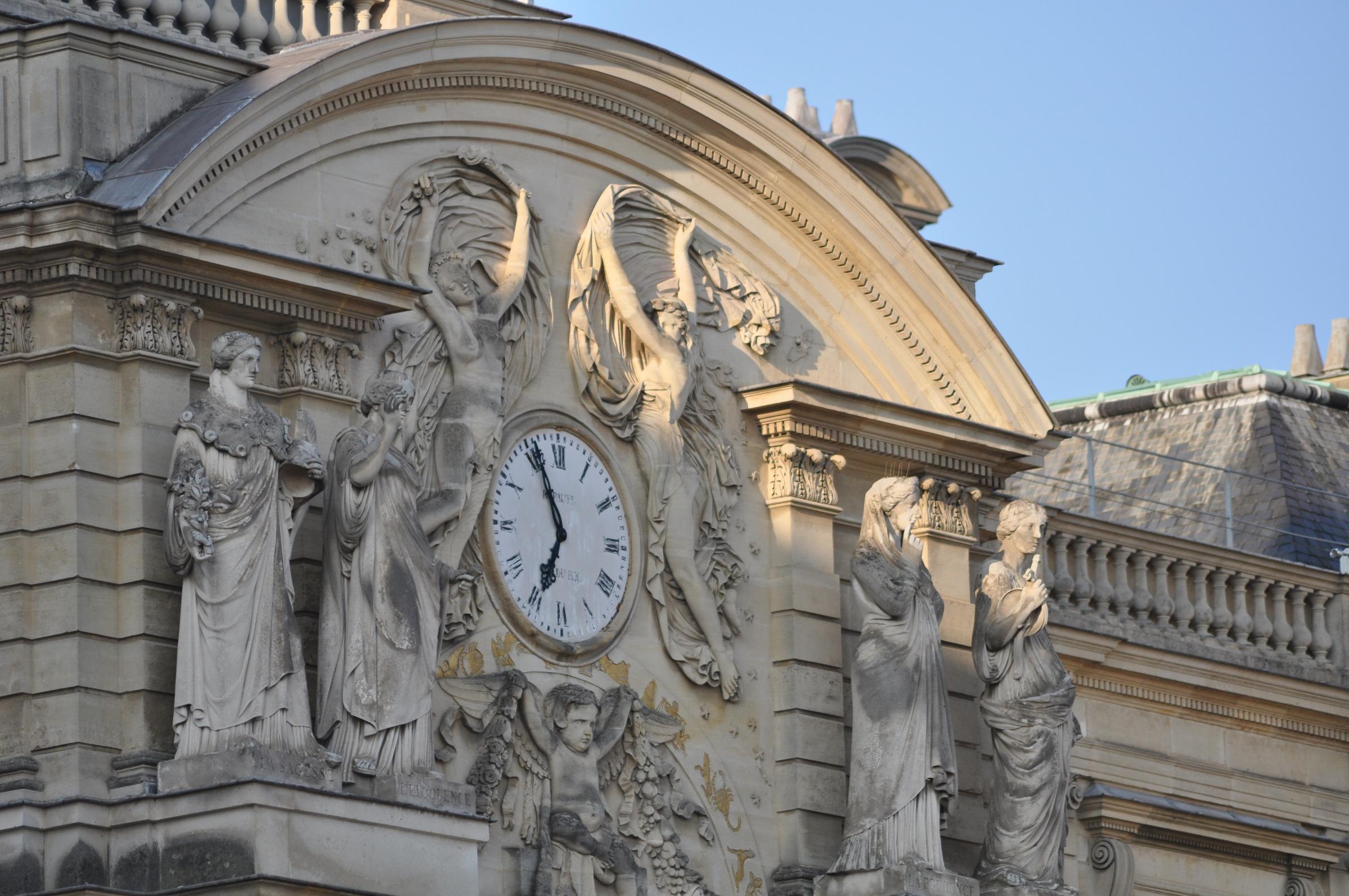
The morning mist lifts from the Rade de Villefranche, revealing the ochre-washed facades of the Old Town as they catch the first amber light of the Mediterranean sun. For the discerning collector of real estate, this view represents more than just a postcard-perfect vista; it is the backdrop for a significant strategic shift in the French fiscal landscape. As we approach 2026, a new chapter opens for high-net-worth investors looking to marry cultural stewardship with sophisticated tax planning. The upcoming fiscal pivot introduces enhanced exemptions for 'Monuments Historiques,' turning the painstaking restoration of a Belle Époque villa or a vaulted sea-front bastide into a powerful lever against the Impôt sur la Fortune Immobilière (IFI). While the broader French property market navigates a period of recalibration, the niche for historic assets in Villefranche and neighboring Èze-sur-Mer is experiencing a renaissance. The 2026 incentives are designed to encourage the preservation of France’s architectural soul, allowing owners to deduct 100% of renovation costs from their taxable income and, crucially, providing a path to exclude these properties from the wealth tax base under specific heritage-management structures. This isn't merely about saving on taxes; it is about the 'Monument Historique' status acting as a moat, protecting the asset's value through scarcity and state-endorsed prestige. Consider the opportunities hidden within the steep, winding streets of Villefranche. A derelict residence with an 18th-century pedigree—perhaps featuring original Genoese ironwork or frescoes dulled by time—now represents a dual-purpose vehicle. Under the new guidelines, the capital intensive process of bringing in 'Compagnons du Devoir' artisans to restore lime-plaster walls or dry-stone terraces becomes a fully deductible investment. In Èze-sur-Mer, where the cliffs meet the sea, the restoration of a historic garden or a registered coastal pavilion offers a similar strategic advantage, blending the romanticism of the Riviera with the cold logic of asset protection. As we look toward 2026, the savvy investor views these historic designations not as a regulatory burden, but as a privileged entry point. The 'Loi Monument Historique' has long been the gold standard of French tax optimization, but the new pivot adds layers of flexibility for family offices and private estates. By investing in the stones of the past, one secures a fiscal future that is as resilient as the ramparts of the Citadelle itself. The takeaway is clear: in an era of transparency and tightening regulations, heritage remains the ultimate luxury asset.

Azure & Stone EditorialFeb 272 min→
The Michelin Migration: Why the High-Season Chefs of Cannes are Moving Inland to Valbonne this Winter
Lifestyle

The Michelin Migration: Why the High-Season Chefs of Cannes are Moving Inland to Valbonne this Winter

The air in Cannes has turned crisp, and the salt spray of the Mediterranean now carries a biting edge. The white linen umbrellas of the Plage Barrière Le Majestic have been folded away, and the frenetic energy of the Palais des Festivals has quieted into a rhythmic, winter hum. But as the coastal glitter fades, a different kind of light is flickering to life in the hills. Follow the scent of burning pine and truffle-infused reduction up the winding Route de Cannes, past the ancient olive groves of Mougins, to the honey-hued stone squares of Valbonne. Here, the Riviera’s culinary elite are staging a quiet revolution. Traditionally, winter on the Côte d’Azur meant a period of hibernation for the Michelin-starred set. However, a new pattern is emerging: the 'Michelin Migration.' This season, several of the coast’s most formidable chefs—names usually synonymous with the high-octane spectacle of the Croisette—are trading sea views for vaulted ceilings and open hearths. In the labyrinthine streets of Valbonne, intimate pop-ups are appearing in converted 17th-century cellars. It is a shift from the performative to the sensory; away from the 'see-and-be-seen' culture of the beach clubs toward a more profound, interior intimacy. One such chef, having spent the summer managing a brigade of forty under the glare of international paparazzi, now finds himself personally tending a wood-fired oven in a space that seats only twenty. The menu is no longer dictated by global supply chains but by the morning’s haul from the Forville market: forest-floor chanterelles, robust winter squashes, and the first of the season’s black truffles. For the residents of the Valbonne hinterland—a discreet community of international tech pioneers from Sophia Antipolis and old-money Europeans—this is the true 'Grand Saison.' This migration reflects a broader maturation of the Riviera lifestyle. The winter social scene in the hinterlands is no longer a consolation prize for the absence of summer sun; it is the main event. It is found in the clinking of crystal against the backdrop of a roaring fireplace at an 18th-century bastide, where the conversation is as rich as the jus. As the stars migrate inland, they prove that while the coast may own the summer, the soul of the Riviera—warm, grounded, and exquisitely curated—resides in the hills.

Azure & Stone EditorialFeb 272 min→
The Art of the Hush: Why February is the Riviera’s Most Exclusive Season
Lifestyle

The Art of the Hush: Why February is the Riviera’s Most Exclusive Season

The mist clings to the ramparts of Saint-Paul-de-Vence like a silk veil, softening the sharp edges of the 16th-century stone. In the height of August, these narrow calades are a vibrant, chaotic crush of day-trippers; but in February, the village returns to its rightful owners. There is a specific, resonant silence that settles over the Place de la Courtine during the winter months—a stillness that allows the true texture of the Riviera to emerge. Here, the air doesn't just smell of pine and sea salt, but of woodsmoke drifting from the hearths of hidden villas and the faint, metallic tang of fresh bronze in the sculpture galleries. For the permanent residents and the discerning few who keep homes here year-round, the 'quiet season' is when the real social calendar begins. Life centers around the fireside at La Colombe d'Or. Without the summer queues, the dining room—adorned with original Picassos and Matisses—becomes an intimate living room for the local intelligentsia. Conversations over slow-cooked daube provençale revolve not around tourism, but around the upcoming acquisitions at the Fondation Maeght. In the winter light, the Fondation’s Giacometti courtyard takes on a haunting, ethereal quality; the long shadows cast by 'The Walking Man' seem to pace the travertine tiles in perfect solitude, free from the distraction of snapping shutters. This is the season of the private viewing. Behind the heavy oak doors of the galleries lining the Rue Grande, art dealers host informal soirées for neighbors rather than speculators. To walk these streets in February is to rediscover the village’s foundational identity as a sanctuary for the avant-garde. You might find yourself sharing a glass of Bandol with a local sculptor or discussing the provenance of a Cocteau sketch in a space that feels more like a private library than a retail gallery. It is a reminder that the French Riviera is not merely a postcard, but a living, breathing ecosystem of heritage. As the sun dips behind the Estérel massif, casting a bruised purple glow over the valley, the takeaway is clear: the most profound luxury isn't found in the spectacle of the season, but in the access to the village's soul when the stage lights are turned off. In Saint-Paul-de-Vence, winter isn't a period of dormancy; it is a period of restoration, where art and life finally have room to breathe together.

Azure & Stone EditorialFeb 272 min→
Beyond the Façade: The Invisible Art of Restoring Roquefort-les-Pins’ Heritage Bastides
Architecture & Design

Beyond the Façade: The Invisible Art of Restoring Roquefort-les-Pins’ Heritage Bastides

Morning in the back-country of the Alpes-Maritimes carries a specific scent: a heady mix of crushed pine needles, damp limestone, and the faint, salty breath of the Mediterranean drifting up from the coast. Here, in the wooded enclaves of Roquefort-les-Pins, the 18th-century bastide reigns supreme. These are not the flamboyant, ochre-washed villas of the coast, but stoic, honey-hued fortresses of rural elegance. However, restoring a three-hundred-year-old 'Mas' requires more than a deep pocket; it demands a surgical respect for what the locals call 'la patine'—the irreplaceable sheen of history that settles on hand-hewn stone. The challenge for the modern connoisseur lies in the paradox of comfort. How does one integrate sub-floor heating and fiber-optic connectivity into a structure built when Louis XV was on the throne? The answer lies in the hands of the 'compagnons'—elite artisans like Jean-Luc, a master stone mason we met on a scaffold overlooking a sprawling estate near the Chemin du Bosc. He uses a specific 'chaux aérienne' (aerial lime) mixed with local sand to ensure the walls can breathe. To the untrained eye, the mortar is merely a functional binder; to Jean-Luc, it is a living lung that prevents the dampness of the Provençal winters from trapped within the masonry. Inside, the alchemy continues. The hallmark of a truly sophisticated restoration is invisibility. In these elite Roquefort properties, the high-tech infrastructure is buried beneath reclaimed Roman 'tégula' floor tiles or hidden behind bespoke cabinetry crafted from ancient walnut. We observed a Lutron lighting system seamlessly etched into the stone, its wiring threaded through existing fissures to avoid the sacrilege of drilling. This is the 'Azure & Stone' standard: a home that functions with the precision of a Swiss watch but retains the silent, heavy soul of a heritage monument. Ultimately, preserving a bastide is an act of stewardship. It is about understanding that the imperfections—the slight sag in a chestnut beam or the weathered texture of a stone lintel—are precisely what provide the value. In an era of clinical, glass-box modernism, the artisanal restoration of Roquefort-les-Pins offers a different kind of luxury: the quiet, enduring luxury of time itself, curated for the next century.

Azure & Stone EditorialFeb 272 min→
The 90-Minute Corridor: Mastering the Dual-Season Synergy of the Mercantour and the Mediterranean
Wealth & Investment

The 90-Minute Corridor: Mastering the Dual-Season Synergy of the Mercantour and the Mediterranean

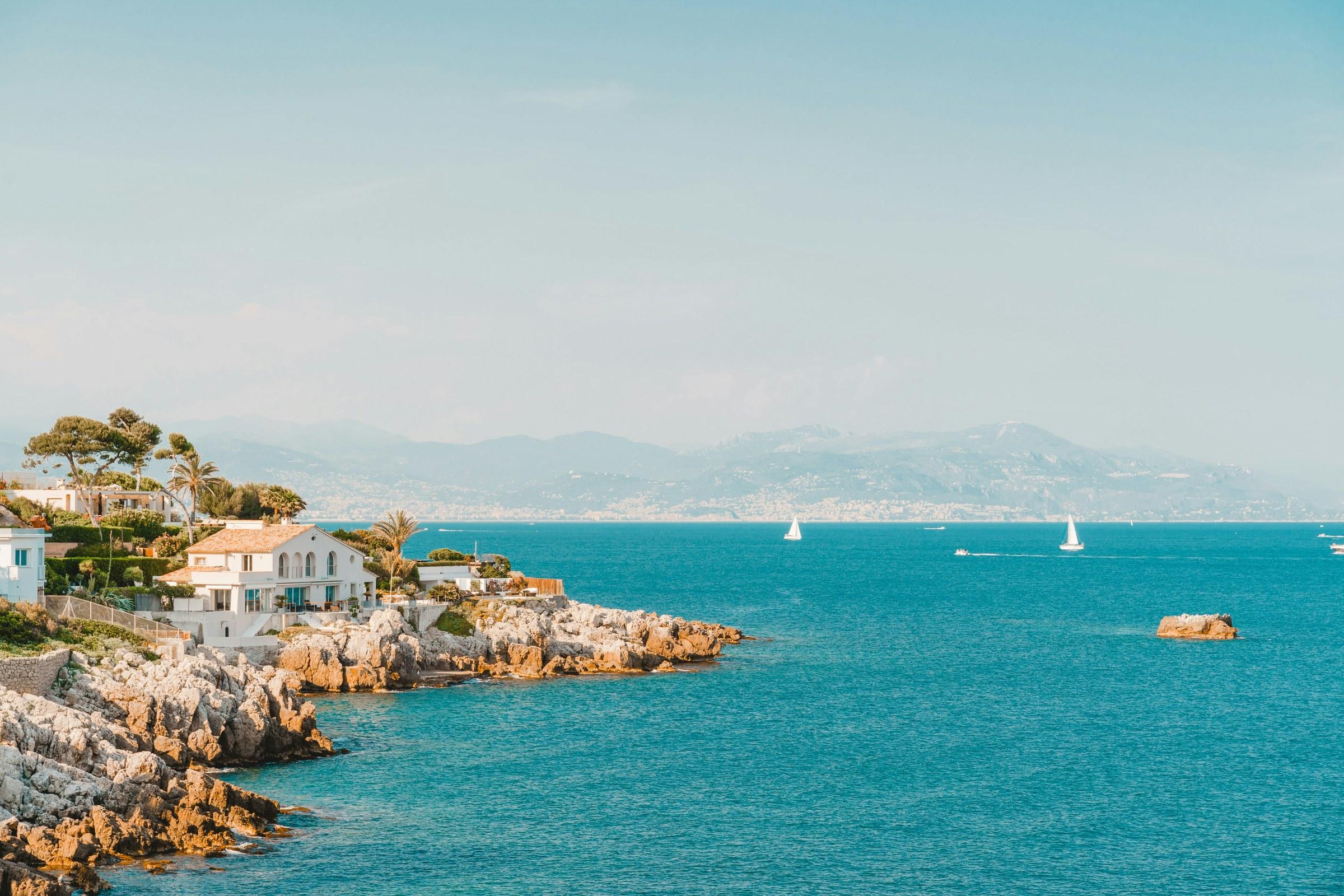
Picture the scene: a crisp 8:00 AM descent down the ‘Las Donnas’ run in Auron, the sun hitting the larch trees as your edges bite into perfectly groomed powder. By 1:30 PM, you are seated at a linen-draped table at Le Plongeoir in Nice, the scent of sea salt and socca replacing the mountain air, as the Mediterranean laps against the rocks below. This is not a travel brochure fantasy; it is the daily reality of the 'Ski-to-Sea' corridor, a geographical anomaly that is fast becoming the cornerstone of the most sophisticated real estate portfolios on the French Riviera. As we look toward 2026, the traditional distinction between 'winter' and 'summer' homes is dissolving into a seamless, year-round yield strategy. From an investment perspective, the value proposition lies in the compression of geography. While the Alps and the Côte d’Azur have always been neighbors, a new breed of High-Net-Worth Individual (HNWI) is no longer choosing between a chalet and a villa—they are demanding a dual-asset ecosystem. The Mercantour National Park, home to the high-altitude glamour of Auron and the family-centric charm of Isola 2000, provides a hedge against the seasonal volatility of the coast. When the beach clubs of Saint-Jean-Cap-Ferrat quiet down in November, the luxury rental market simply migrates 90 minutes north, where five-star amenities and 'smart-ski' infrastructure are seeing unprecedented capital injection. This synergy is underpinned by a significant shift in infrastructure. The ongoing ‘green’ revitalization of the Port of Nice and the expansion of private transfer services have made the transition between the peaks and the port effortless. We are seeing a surge in demand for 'lock-up-and-leave' penthouses in the Port Lympia district, paired with timber-and-stone retreats in the upper Tinée Valley. These properties aren't just lifestyle trophies; they are high-utilization assets. A dual-season portfolio effectively doubles the prime rental window, capturing the Christmas-to-Easter ski peak and the May-to-September coastal frenzy. Ultimately, the 'Ski-to-Sea' strategy reflects a deeper change in how we define luxury. It is no longer about static possession, but about the fluidity of experience. In 2026, the most resilient portfolios will be those that leverage this unique Provençal-Alpine duality. Investors who secure a foothold in both the maritime and the mountainous are not just buying square meters; they are capturing the entire spectrum of the French art de vivre, ensuring that their capital remains as active as their lifestyle, regardless of the thermometer.

Azure & Stone EditorialFeb 272 min→
The Neo-Provençal Revival: Redefining Rural Elegance in the Mougins Hinterland
Architecture & Design

The Neo-Provençal Revival: Redefining Rural Elegance in the Mougins Hinterland

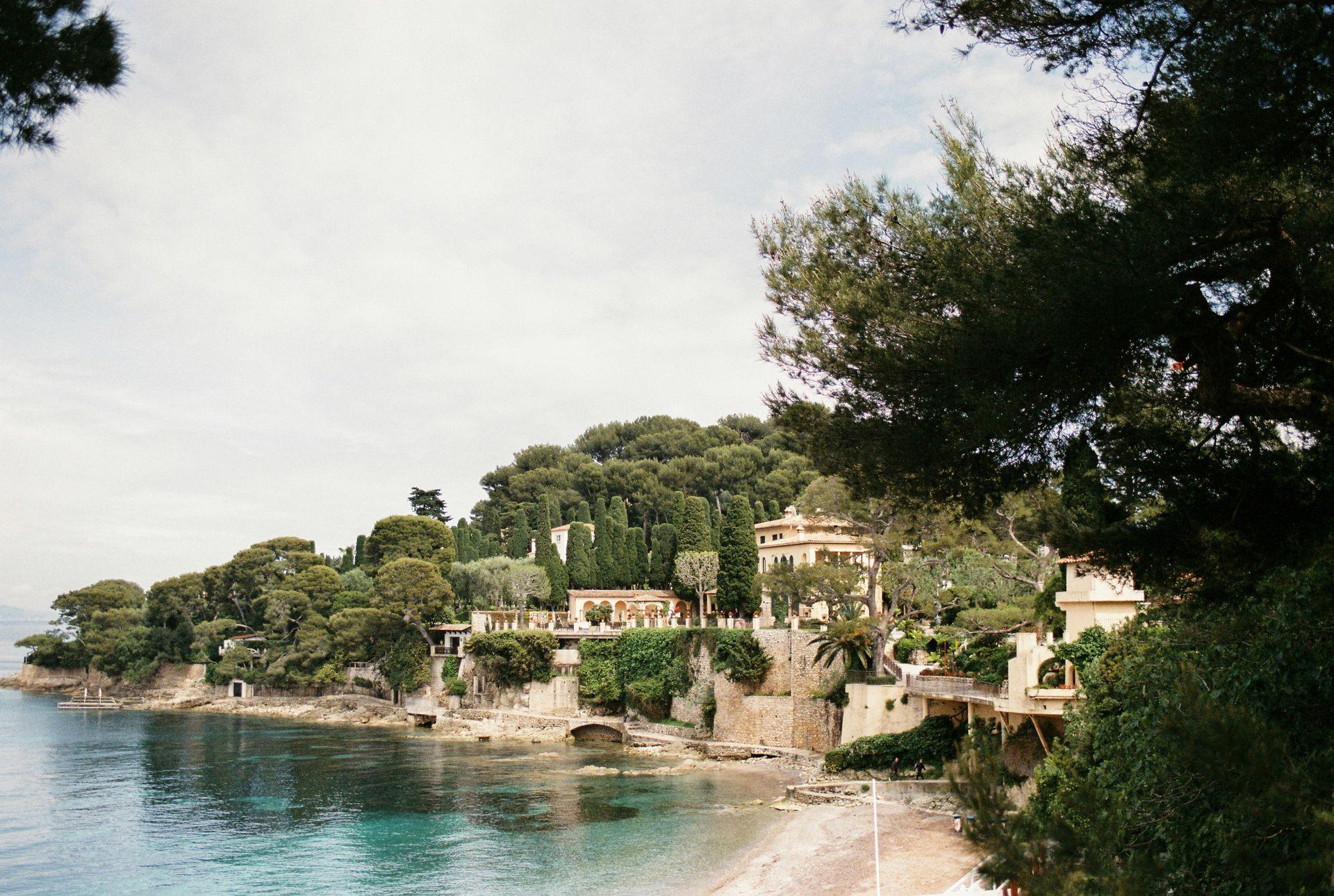
A sophisticated shift is taking hold in the hills of Mougins, where the clinical edge of stark minimalism is yielding to a more soulful 'warm modernism.' This architectural evolution honors the heritage of the Alpes-Maritimes by integrating traditional dry-stone masonry and hand-fired terracotta with expansive glass volumes. By prioritizing tactile materiality and organic integration into the landscape, these contemporary builds offer a timeless dialogue between heritage and innovation. It is a return to authenticity that proves luxury is best defined by a sense of place and the enduring beauty of natural textures.

Azure & Stone EditorialFeb 271 min→
Eco-Luxury Retrofitting: Redefining 2026 Property Valuations in Historic Cap d'Antibes
Wealth & Investment

Eco-Luxury Retrofitting: Redefining 2026 Property Valuations in Historic Cap d'Antibes

As we approach 2026, a sophisticated shift is occurring within the Côte d'Azur’s most prestigious enclave. High-net-worth investors are no longer satisfied with aesthetic preservation alone; they are now integrating cutting-edge, AI-driven energy systems into historic Belle Époque estates. This strategic fusion of heritage architecture and sustainable technology is significantly driving up asset valuations, as 'eco-luxury' becomes the new gold standard for the discerning global elite. By optimizing thermal efficiency and carbon footprints through invisible tech, these retrofitted villas are outperforming traditional listings in both desirability and long-term capital appreciation.

Azure & Stone EditorialFeb 271 min→
The Winter Microclimate: Why the Petite Afrique of Beaulieu-sur-Mer is February’s Best Kept Secret
Lifestyle

The Winter Microclimate: Why the Petite Afrique of Beaulieu-sur-Mer is February’s Best Kept Secret

While the rest of Europe remains under a winter haze, the 'Petite Afrique' enclave of Beaulieu-sur-Mer offers a rare thermal sanctuary. Sheltered by towering limestone cliffs, this legendary microclimate permits the high-society ritual of al fresco dining even in the depths of February. It is a season of quiet sophistication, where the scent of blooming mimosa meets the crisp salty air, attracting discerning residents who prefer the Riviera’s sun-drenched tranquility over the summer rush. Here, the art of living transcends the seasons, defining a lifestyle where the terrace remains the ultimate salon all year round.

Azure & Stone EditorialFeb 271 min→