Skip to content
←Back to magazine
Sea view or waterfront villa: two markets, two ways of life
Housing3 min read

Sea view or waterfront villa: two markets, two ways of life

Azure & Stone
ShareLinkedInWhatsAppX

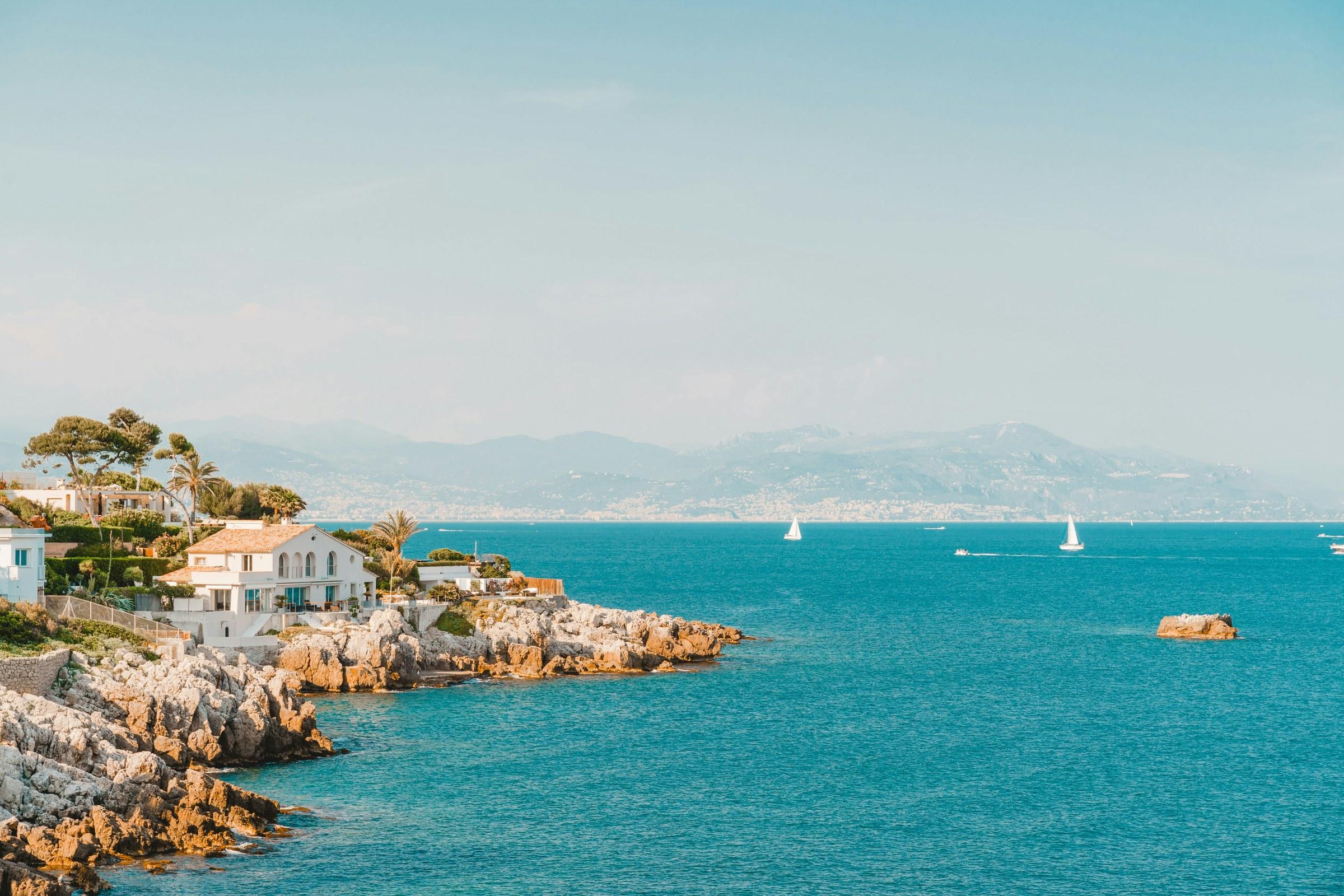
Almost all our buyers begin by asking for the sea. The real question is whether you want to look at it, or walk down to it every morning: on the French Riviera, these are two markets, and two ways of life.

A supply that will not grow

Outside built-up areas, the Loi Littoral forbids building within 100 metres of the shoreline, extensions included. True waterfront properties will therefore remain rare. We do not quote a percentage gap with sea view homes: these sales are too few for an honest average. For the same budget, a sea view almost always offers more space and more choice.

The shore belongs to everyone

In France, nobody owns the beach. Properties bordering the public maritime domain carry, by law, a three metre pedestrian right of way. The exceptions near houses built before 1976 give way when this path is the only means of keeping the coastal trail continuous. The notary checks the plot before any offer.

Salt and seasons

By the water, sea spray wears out joinery, railings and outdoor fittings faster: plan for more regular upkeep. Summer brings boats and walkers, while the hills offer silence. In winter, everything is reversed. It is in November that you measure the privilege of a swim with no one watching.

Risks, in black and white

The risk disclosure statement, less than six months old, must be handed over from the first viewing. Among other things, it flags coastal retreat. Antibes and Èze are on the national list of municipalities affected by coastal erosion, updated by decree in February 2026. In the hills, the talk is rather of forest fires and brush clearing obligations. Ask for an insurance quote before signing the preliminary contract.

What we look at during a viewing

The view, at every hour. In the morning, at sunset, from the rooms where you actually live.

What could grow in front. Neighbouring building plots, trees below: a view is never guaranteed by the title deed.

Resale. A waterfront home reaches a narrow but international circle, a sea view a wider audience.

Our view

On the waterfront, you live the sea. With a sea view, you contemplate it. For year round life by the water, read our portrait of Saint-Jean-Cap-Ferrat; if you are selling, our advice on the small details that weigh in a negotiation.

For information only. Planning rules, easements and risks are assessed plot by plot: have each situation checked by a notary or a lawyer.

ShareLinkedInWhatsAppX

Related Articles

Azure & Stone Featured in Prestigious Propriétés Le Figaro Editorial
Luxury Housing

Azure & Stone Featured in Prestigious Propriétés Le Figaro Editorial

In a remarkable recognition of excellence, Azure & Stone's Roquefort-les-Pins villa graces the pages of Propriétés Le Figaro's 'Grand Paris du Prestige' edition. This exceptional property, set within 5,200 square meters of landscaped tranquility, exemplifies the suspended time philosophy that defines luxury living in the French Riviera's hinterland. The property's seamless blend of Provençal elegance and invisible technology offers authentic countryside refinement.

Propriétés Le FigaroMay 281 min→
Saint-Paul-de-Vence's Shadow Market: Inside the Village's Invisible Property Empire
Luxury Housing

Saint-Paul-de-Vence's Shadow Market: Inside the Village's Invisible Property Empire

The morning mist still clings to the ramparts of Saint-Paul-de-Vence when Marguerite Colombe unlocks the heavy wooden door of Galerie Colombe, her family's art space tucked behind the Café de la Place. What visitors don't realize as they browse her carefully curated collection is that Marguerite serves as an unofficial gatekeeper to one of the Riviera's most exclusive property networks—a shadow market where seventy percent of the village's premium real estate never sees a public listing. This medieval hilltop commune, where Chagall once painted and where the Fondation Maeght draws international collectors, operates on an economy of whispered recommendations and generational trust. The Magh family, whose art foundation has anchored the village's cultural prestige since 1964, exemplifies this closed ecosystem. Their circle—encompassing gallery owners, established collectors, and longtime residents—controls access to properties that range from restored mas provençaux behind ancient stone walls to contemporary villas with infinity pools overlooking the Baie des Anges. Consider the recent private sale of Villa Lumière, a 1920s property once owned by a prominent French industrialist. The stone bastide, complete with original Biot ceramics and terraced gardens designed by landscape architect Jean Mus, changed hands for €4.2 million without ever appearing on traditional platforms. The transaction occurred entirely through introductions facilitated by the village's cultural network—the seller, a longtime patron of local artists, connected with the buyer, a Swiss collector, through mutual acquaintances at a Fondation Maeght vernissage. Accessing this invisible inventory requires more than financial capability; it demands cultural integration. Successful buyers often begin by supporting local galleries, attending foundation events, and building relationships with village institutions like the century-old Auberge de la Colombe d'Or, where proprietor François Roux maintains connections spanning decades of artistic patronage. The most coveted properties—those medieval houses with private courtyards and panoramic views toward Antibes—circulate within networks built on shared appreciation for the village's artistic legacy. As Saint-Paul-de-Vence faces increasing pressure from international buyers seeking trophy properties, this shadow market serves as both preservation mechanism and exclusivity filter. For discerning collectors willing to invest time in authentic cultural engagement, it offers access to properties that embody the village's rare combination of historical gravitas and contemporary sophistication—homes that exist not just as real estate, but as custodianship of a living artistic heritage.

Azure & Stone EditorialFeb 282 min→